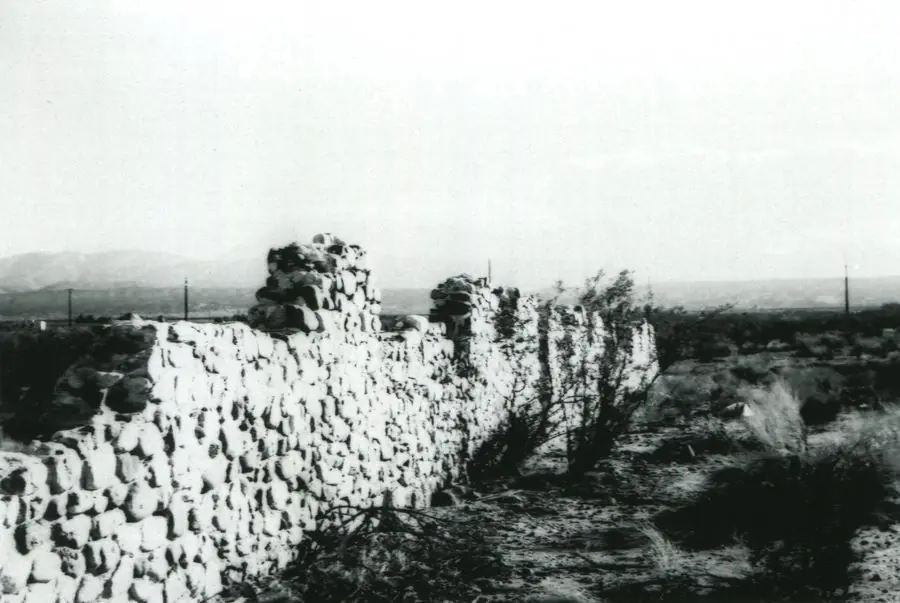
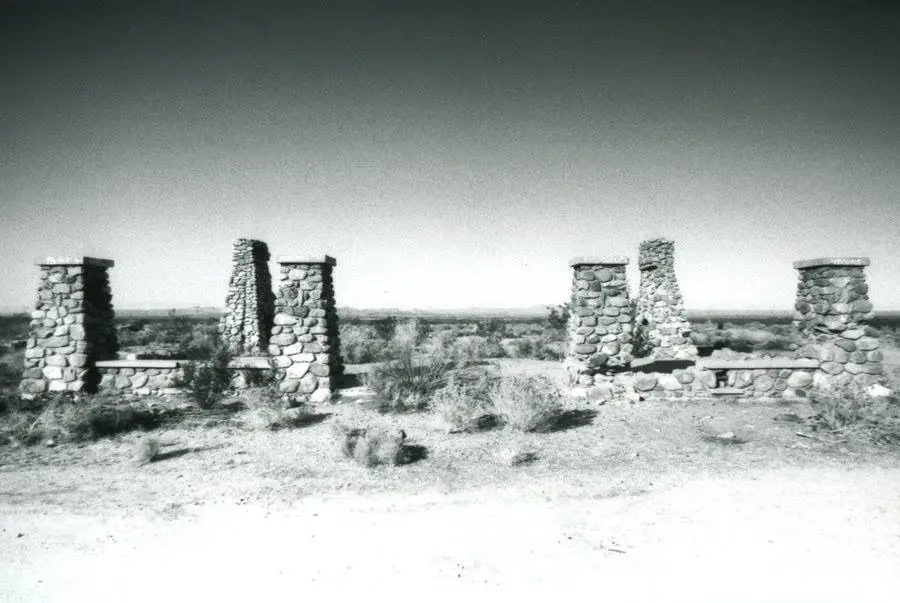
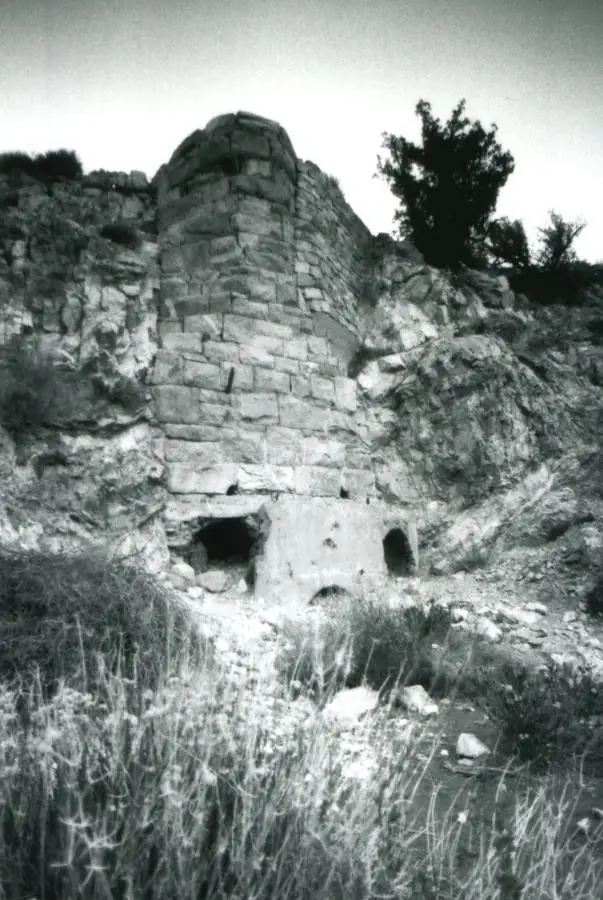
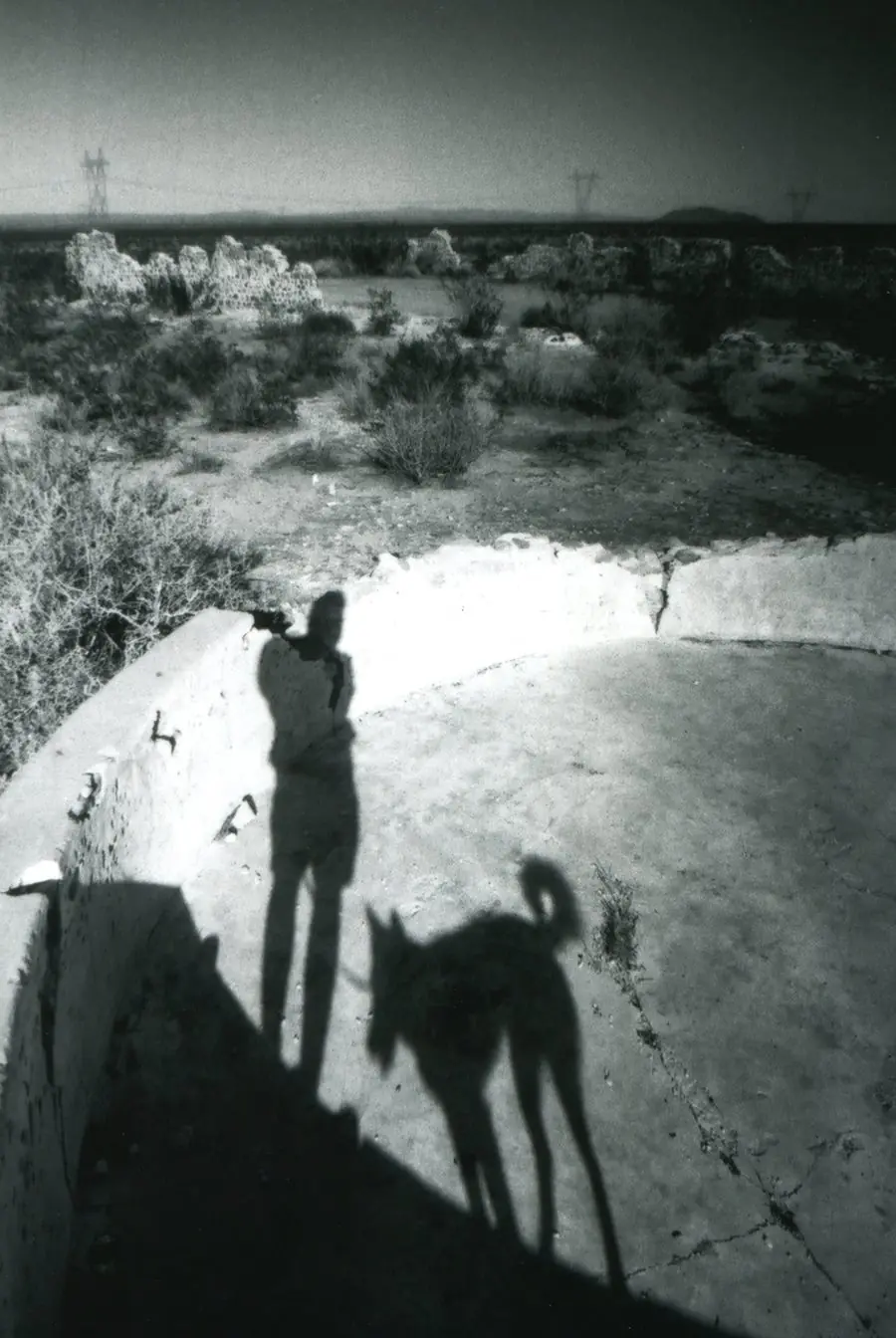
Came across this and was intrigued. These photos were taken in California, outside of Los Angeles, but it does have a bit of a local connection. It was taken at
Llano del Rio, which was a commune (or “colony” or “failed utopia”) located east of Palmdale in the Antelope Valley, Los Angeles County. The local connection is that in 1917, the town of Slagle, just south of Leesville, Louisiana, was renamed New Llano when 200 members of the Socialist commune Llano del Rio Cooperative Colony in California relocated here, giving the town its present name. It continued to function as a socialist commune with citizens pooling and sharing resources and wealth until 1939.
In California, the Llano del Rio colony was devised by lawyer and socialist politician Job Harriman. Only after his defeat in the 1911 election as the Socialist Party’s candidate for mayor of Los Angeles did Harriman’s thinking turn from politics to an interest in directly demonstrating what he believed to be the inherent superiority of cooperative and collective economic activity as a means for building public support for the socialist idea.
Like others before him, Harriman theorized that by creating a functioning socialist community within the larger society of capitalism, the larger society would gradually convert to socialism.
The Llano del Rio Colony settled in the southern edge of the Mojave Desert along Highway 138 in the alluvial plain that spread out to the north from the San Gabriel Mountains. Several structures were constructed using local granite boulders and lumber, including a hotel, meeting house, and water storage tank. There was also a small open aqueduct made of granite cobbles and cement. The remnants of the built features are still visible at the site.
During 1918, the colony was abandoned. Llano del Rio turned out to be too far from other settlements to develop a sustaining economy, and the water supply from Big Rock Creek proved to be unreliable. Some of the settlers, approximately 60 families in all, relocated to form New Llano, Louisiana.
Photos shared by J Jakobson